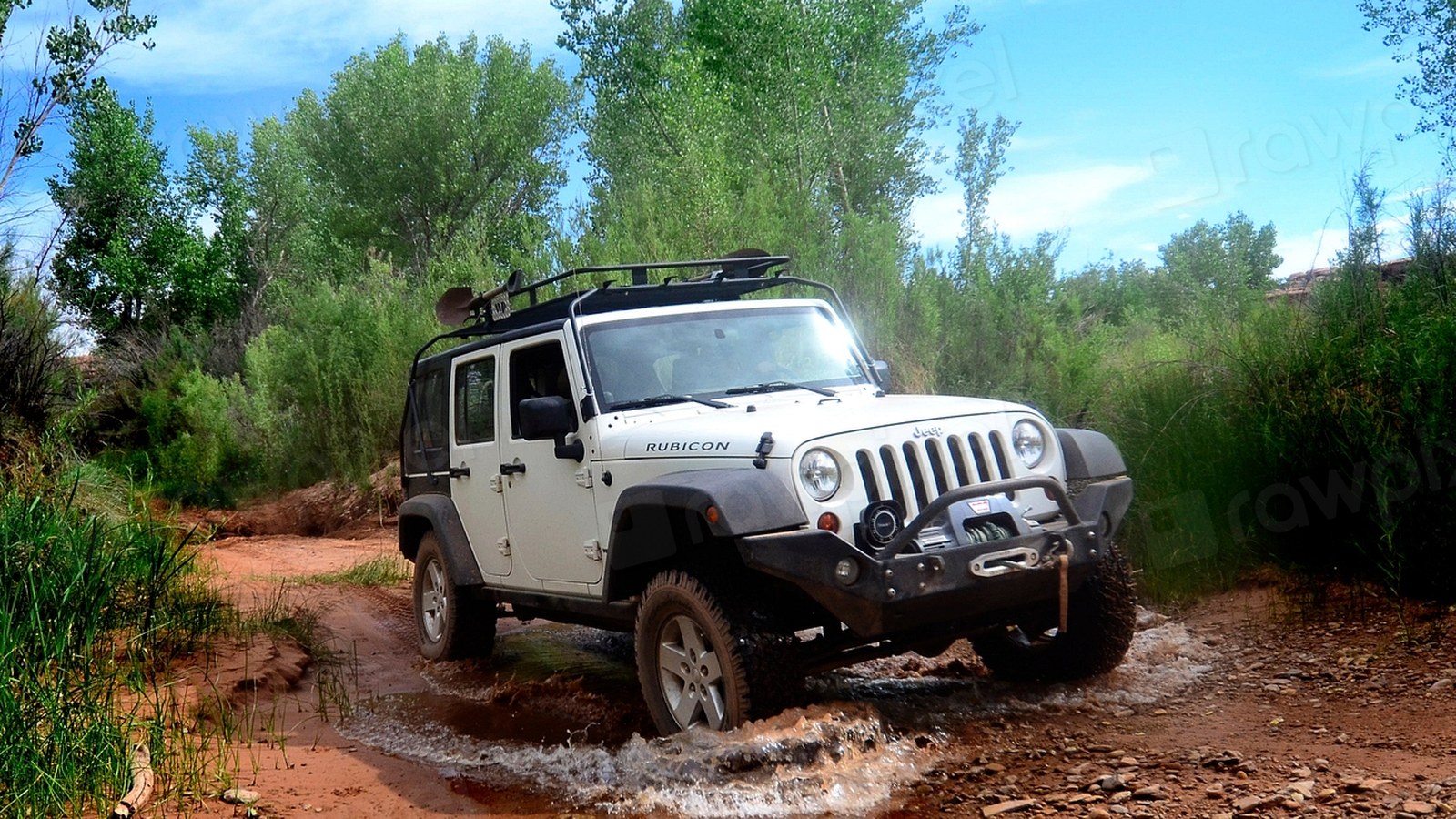
A good 4×4 trip does not begin with a huge accessory list. It begins with the practical items that help you avoid common problems: getting bogged, running out of water, losing food to heat, arriving after dark, or discovering that your sleeping setup is uncomfortable after a long drive.

This guide is a simple support article for Far Cornel readers who want a first overlanding gear list they can actually use. Start with the essentials below, then use the Camping and 4×4 Starter Checklist to turn the list into a repeatable pre-trip routine.
Quick answer: the first 10 items to sort
| Priority | Gear item | Why it matters | Helpful next read |
|---|---|---|---|
| 1 | Recovery basics | Helps with bogged-vehicle situations when used with rated equipment and safe technique. | Beginner 4×4 recovery gear checklist How to choose a 4×4 winch |
| 2 | Water storage and treatment | Keeps drinking, cooking, and hygiene water separate from uncertain water sources. | Portable water filters for camping |
| 3 | First aid and emergency plan | Supports basic injury response while you wait for help or return to service range. | NSW National Parks safety guidance |
| 4 | Lighting | Makes camp setup, repairs, and cooking safer after dark. | Starter checklist |
| 5 | Power station or battery setup | Keeps phones, lights, fridges, cameras, and small devices running. | How to size a portable power station |
| 6 | Food storage | Protects meals, reduces spoilage risk, and keeps camp organised. | Portable fridge vs cooler/esky |
| 7 | Sleep system | Improves recovery, warmth, and comfort after long driving days. | Camping sleep systems explained |
| 8 | Shelter and shade | Gives you sun, wind, and rain protection around camp. | Camping gazebo and canopy guide |
| 9 | Navigation and communications | Helps prevent wrong turns and supports emergency contact when phone service is unreliable. | NSW National Parks safety guidance |
| 10 | Storage and organisation | Stops small items from disappearing when conditions get dusty, wet, or dark. | Starter checklist |
1. Recovery basics
Recovery gear is not a decoration for the back of the vehicle. It should be matched to the vehicle, inspected before the trip, and used only with proper recovery points and safe technique. If you are starting out, the useful first layer is usually recovery boards, a shovel, gloves, a rated strap or rope where appropriate, rated shackles or soft shackles, and a recovery dampener.
The safety details matter. ACCC Product Safety explains that motor vehicle recovery straps are elasticised straps used between two vehicles, and that Australian requirements include warnings, instructions, and minimum breaking strength information on the strap and packaging. It also notes that the minimum breaking strength recommendation should be between two and three times the vehicle’s gross vehicle mass and suited to the lighter vehicle used in the recovery process.
If that sounds technical, treat it as a reason to learn before you need the gear. Read the Far Cornel beginner recovery checklist, then get practical training before attempting kinetic recoveries.
2. Water storage and treatment
Water is one of the first systems to plan because it affects drinking, cooking, cleaning, first aid, and heat management. Carry known-safe drinking water in suitable containers, and keep treatment gear separate for uncertain sources. A filter can help with sediment and some microorganisms, but different products remove different hazards, so it is important to understand what your filter is designed to do.
For short trips, simple jerry cans or dedicated water containers are often enough. For longer trips, split water across more than one container so a single leak or contamination problem does not ruin the whole supply. For filter selection, use the Far Cornel guide to portable water filters for camping and overlanding.
3. First aid and an emergency plan
A first aid kit is only useful if it is stocked, accessible, and matched to the trip. Store it where passengers can reach it, not underneath three plastic tubs. Add personal medications, blister care, wound dressings, sunscreen, insect repellent, and a written emergency plan for the route.
NSW National Parks recommends telling someone where you are going, when you expect to return, and who is with you. Its bushwalking safety guidance also lists essentials such as water, food, navigation tools, a torch, a first aid kit, a mobile or satellite phone, and a personal locator beacon for remote trips. The same thinking applies to 4×4 travel: the more remote the route, the more you should plan for delayed help.
4. Lighting that works when you are tired
Camp lighting is easy to underestimate until you arrive late, hungry, and in the rain. Pack a headlamp for each person, a small area light for cooking, and a backup torch. Rechargeable lights are convenient, but at least one light should have spare batteries or a separate power source.
Good lighting also helps with safety checks. You can inspect tyres, look for leaks, read a map, cook without balancing a phone torch, and find gear without emptying the vehicle.
5. Portable power or a battery system
A power station or auxiliary battery system becomes useful once your trip includes phones, lights, cameras, fridge use, small fans, or rechargeable tools. The mistake is buying by headline watt-hours only. Instead, list the devices, estimate how many hours each one runs per day, then add a buffer for cloudy weather or longer camp stays.
For the sizing method, read How to Size a Portable Power Station for Camping, Overlanding, and Emergencies. That guide walks through the practical difference between device watts, runtime, solar input, and usable capacity.
6. Food storage that suits your trip length
Food storage is not just about convenience. It affects ice management, camp hygiene, cooking speed, and how often you need to resupply. For short weekend trips, a quality cooler or esky can be simple and reliable. For longer trips, a portable fridge can reduce ice runs and keep food temperatures more consistent when powered correctly.
The best choice depends on trip length, vehicle space, power availability, and how often you move camp. The Far Cornel portable fridge vs cooler/esky guide compares the trade-offs.
7. A sleep system you have tested at home
Do not wait until the first night of the trip to find out your mat is too thin or your sleeping bag is too warm. Test the setup before leaving. A basic system includes a sleeping bag or quilt, a sleeping mat, a pillow, and possibly a cot or stretcher depending on space and shelter style.
The goal is not to build the most expensive camp bedroom. The goal is repeatable rest. Better sleep improves driving focus, mood, and decision-making the next day. Use the camping sleep system guide to choose the right combination.
8. Shelter, shade, and weather protection
A shelter system gives the trip a base. Depending on your setup, that might be a tent, swag, rooftop tent, vehicle awning, gazebo, or canopy. The main questions are wind stability, setup time, packed size, shade coverage, and how well it handles rain.
For hot or exposed campsites, shade can be as important as the sleeping shelter. If you are comparing gazebos, canopies, and pop-up shelters, the Far Cornel camping gazebo guide explains what to look for in frames, fabric, and wind management.
9. Navigation and communication backups
Phone maps are useful until service drops, batteries run low, or a track closure forces a change. Carry offline maps, a paper map where appropriate, and a basic understanding of the route before you leave. If you are heading remote, plan for communication beyond normal mobile coverage.
NSW National Parks recommends using navigation tools, downloading relevant safety apps, and carrying a mobile or satellite phone; for more remote trips, it points to a personal locator beacon as a last-resort emergency device. For 4×4 travel, that reinforces a simple rule: do not rely on one device for navigation, power, and emergency communication.
10. Storage and organisation
Storage is what turns a pile of gear into a usable system. Use labelled tubs, dry bags, drawer dividers, or soft storage depending on your vehicle. Keep emergency gear, recovery gear, and first aid accessible. Put rarely used items deeper in the load area.
The best test is simple: can you find your torch, first aid kit, tyre gauge, water, and recovery gloves in the dark without unpacking the whole vehicle? If not, the system needs work before the next trip.
A simple first-trip packing approach
If you are preparing for your first 4×4 camping trip, avoid buying every accessory at once. Build the kit in layers. Start with safety and water, then recovery, then sleep, shelter, food, power, and comfort items. After each trip, write down what worked, what stayed unused, and what caused friction.
Before you leave, open the Camping and 4×4 Starter Checklist and run through it section by section. It is designed to help you catch forgotten basics before they become problems at camp.
Sources
This article references official safety guidance from NSW National Parks: Bushwalking safety and recovery-strap requirements from ACCC Product Safety: Recovery straps for motor vehicles mandatory standard.