
This page contains affiliate links. Far Cornel may earn a commission if you buy through them, at no extra cost to you.
See the top-rated gear on Amazon →
Quick answer: If you run synthetic winch rope, a Mechanix-style reinforced-palm glove is the daily driver: grip and feel with decent protection. Switch to a genuinely cut-rated pair the moment you use steel cable, keep cheap leather riggers as a backup, and step up to a long-cuff gauntlet from ARB or Saber Offroad for serious winching. Buy the glove you will actually keep on.
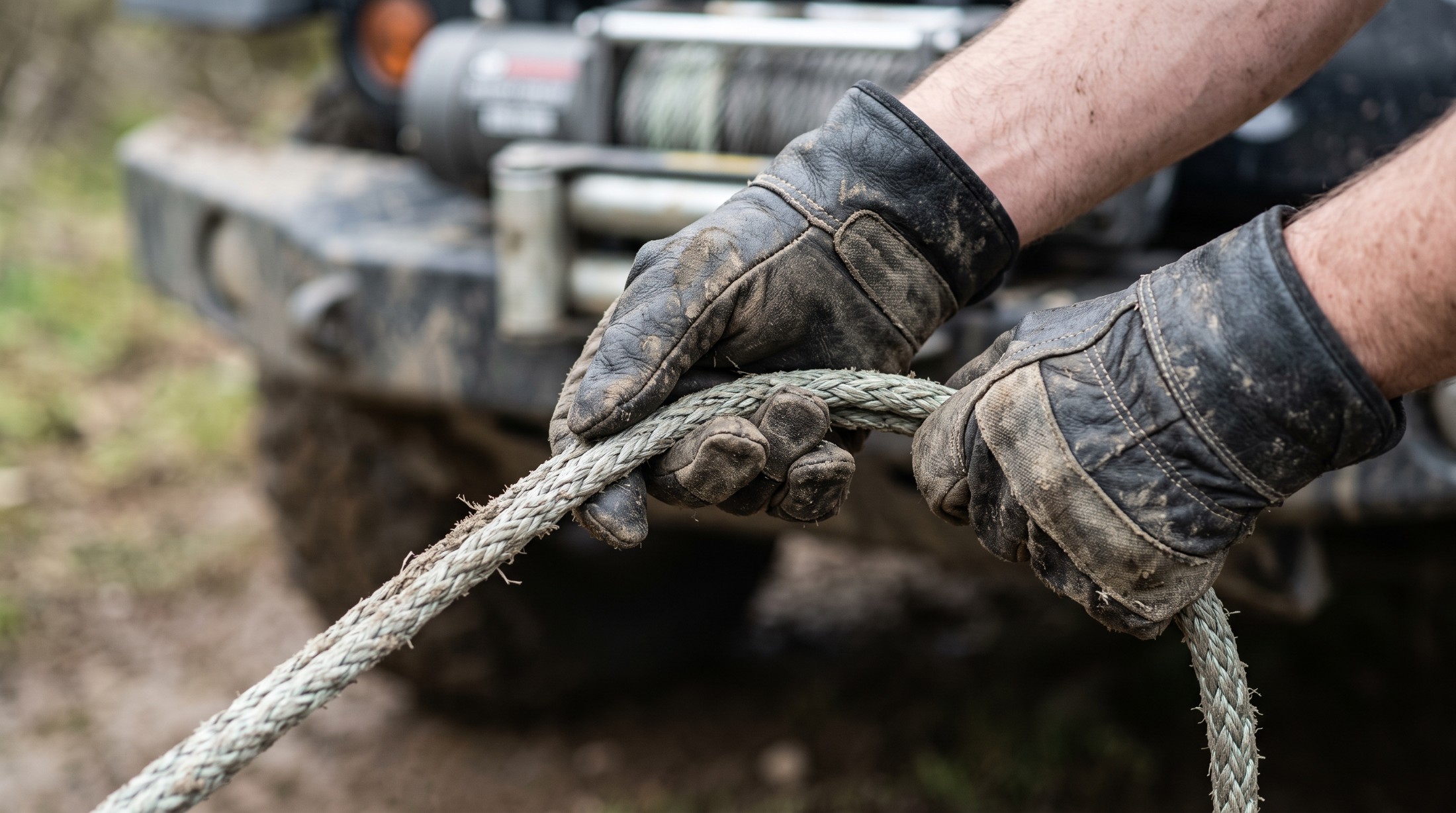
A vehicle recovery goes wrong quickly, and hands are usually the first casualty. Steel winch cable frays into needle-sharp broken strands that slice bare skin, shackles and straps pinch fingers, and a slipped grip near a loaded line can do real damage. Recovery gloves cost next to nothing beside a hospital trip, yet plenty of people still reach for a winch in bare hands or thin garden gloves. The right pair protects you without leaving you fumbling the controls at the worst moment.
Not every glove suits the job. You want protection against cuts, abrasion and impact without losing the dexterity to handle shackles and pins, and that balance, not raw thickness, is what separates a real recovery glove from a heavy work glove you end up peeling off. Below is what to look for, then five styles that cover different jobs and budgets.
Quick Picks
- Best all-round: leather rigger gloves — cheap, tough, one pair per vehicle.
- Best dexterity: synthetic reinforced-palm gloves — Mechanix-style grip and feel.
- Best cut protection: genuinely cut-rated gloves for steel cable.
- Best coverage: long-cuff gauntlets from ARB or Saber Offroad.
- Best impact protection: gloves with moulded knuckle guards.
How to Choose
Start with the protection you actually need, and drop the idea that thicker always means safer. If you run steel winch cable, cut resistance matters most: a single frayed strand will open a bare hand, and it goes through leather or a garden glove just as fast, so look for a genuine printed cut rating rather than vague marketing. Synthetic winch rope is kinder to skin but still burns and abrades under load. Add impact protection on the back of the hand only if your recovery days double as spanner days.
Then balance protection against dexterity, because a glove you take off is useless. The most armoured glove on the shelf does nothing if it is so bulky you strip it off to thread a shackle pin, which is exactly when a strand catches you. Leather is tough and heat-resistant but clumsy and slow to dry when wet; a reinforced synthetic palm gives better grip and feel. Put the money into a cut-rated pair if you run steel cable, and let a cheap leather rigger cover lighter jobs.
The 4×4 Recovery Gloves
Check today’s prices on Amazon →
Leather Rigger Gloves
The traditional, no-nonsense baseline. Thick leather shrugs off abrasion and heat, guards against cable burrs, and costs so little that a pair belongs in every vehicle. The downsides are dexterity and wet weather: leather is bulky for fine work and goes stiff and slow to dry once soaked. Don’t rely on it around steel cable, where a frayed strand can still find you. As a cheap, tough glove for occasional recovery, it is hard to argue with. Look over the current leather rigger gloves options on Amazon.
Synthetic Reinforced-Palm Gloves
The everyday pick, and the one I reach for on synthetic rope. Mechanic-style gloves — Mechanix Wear set the template — trade some heat resistance for far better grip and feel, so you can work a shackle, a controller or a phone without stripping them off. Most are breathable and machine washable. They carry less cut protection than a rated glove, so keep them for synthetic-rope setups and general recovery rather than steel cable. Compare today’s synthetic reinforced-palm gloves prices on Amazon.
Cut-Resistant Gloves
The ones to wear around steel cable. Built from high-strength fibres, they resist the broken strands that slice straight through ordinary gloves, and a higher cut rating means more protection against exactly the meat-hook injuries recovery is known for. Many keep surprisingly good dexterity. Don’t assume cut resistance covers everything, though: check the pair also handles heat and abrasion, because a frayed strand is not the only hazard on a recovery. Check the latest cut-resistant gloves range on Amazon.
Long-Cuff Gauntlet Gloves
A long cuff extends protection up the wrist and forearm, shielding the part of your arm a snapped cable or a snatch of scrub finds first. That makes gauntlets — ARB and Saber Offroad both make recovery-focused pairs — a sensible choice for serious winching and for rigging a recovery point in thick scrub. They are bulkier and warmer than a short cuff, so they can feel like overkill for a quick pull, but the extra coverage is genuine protection where it counts. See the newest long-cuff gauntlet gloves listings on Amazon.
Impact-Protection Gloves
These add moulded guards over the knuckles and fingers to protect the back of the hand from being crushed or barked against a chassis, a rock or a shifting load; Mechanix M-Pact gloves are the familiar example. They earn their place if your recovery days double as wrenching days. The catch is that impact armour does not always mean cut resistance, so if you handle steel cable, choose a pair that combines both rather than assuming the guards cover it. Compare impact-protection gloves options on Amazon.
Comparison
| Glove type | Best for | Dexterity | Cut protection | Watch-out |
|---|---|---|---|---|
| Leather rigger | General recovery | Medium | Low to medium | Poor when wet |
| Synthetic reinforced | Fiddly jobs | High | Medium | Not for steel cable |
| Cut-resistant | Steel winch cable | Medium to high | High | Check heat rating |
| Long-cuff gauntlet | Wrist coverage | Medium | Varies | Bulky for quick jobs |
| Impact protection | Knock protection | Medium | Varies | Cut rating not guaranteed |
Frequently Asked Questions
What should I look for in a good pair of recovery gloves?
Real cut and abrasion resistance, a secure cuff, and enough dexterity to handle shackles and controls without taking the glove off. Match the protection to your gear: a printed cut rating for steel cable, grip and feel for synthetic rope and general work.
Are leather or synthetic recovery gloves better?
Neither wins outright. Leather is cheaper, tougher against heat and abrasion, and a fine baseline, but bulky and poor when wet. Synthetic reinforced-palm gloves give better grip, feel and breathability for the price of some heat resistance. Choose by whether dexterity or ruggedness matters more to you.
Why wear gloves during a winch or strap recovery?
A loaded winch line or strap stores enormous energy, and steel cable frays into sharp broken strands that cut deep. Gloves guard against those cuts, against abrasion and heat as the line runs through your hands, and against the pinches that shackles and pins inflict. It is basic, cheap insurance.
How should recovery gloves fit?
Snug but not tight, with your fingers reaching the ends so you keep the feel to work pins and controls. Too loose and the glove bunches and snags; too tight and your hands tire and cramp. If you cannot pick up a shackle pin while wearing them, they are wrong for recovery.
The Bottom Line
The best recovery glove depends on what you pull and how often. Steel cable calls for a cut-rated pair, synthetic rope and general work suit a grippy reinforced-palm glove like a Mechanix, and a long cuff or impact guards add protection for heavy, hands-on days. Whatever you pick, prioritise a glove you will keep on through the whole job, because the protection only counts while it is on your hand.
For the rest of the recovery kit, see our guides to soft shackles, kinetic ropes and snatch straps, and traction boards.