
This page contains affiliate links. Far Cornel may earn a commission if you buy through them, at no extra cost to you.
See the top-rated gear on Amazon →
Quick answer: For a sandy or wet site, a mesh mat like the CGEAR Sand-Free lets grit fall through and drain away; for a tidy awning floor, a woven recycled-poly mat such as a RVguard or Camco reversible looks smart and hoses clean; for warmth underfoot inside the tent, interlocking foam tiles win. Buy a mesh mat for the door and a woven or foam mat for the living space, and skip the household rug entirely.
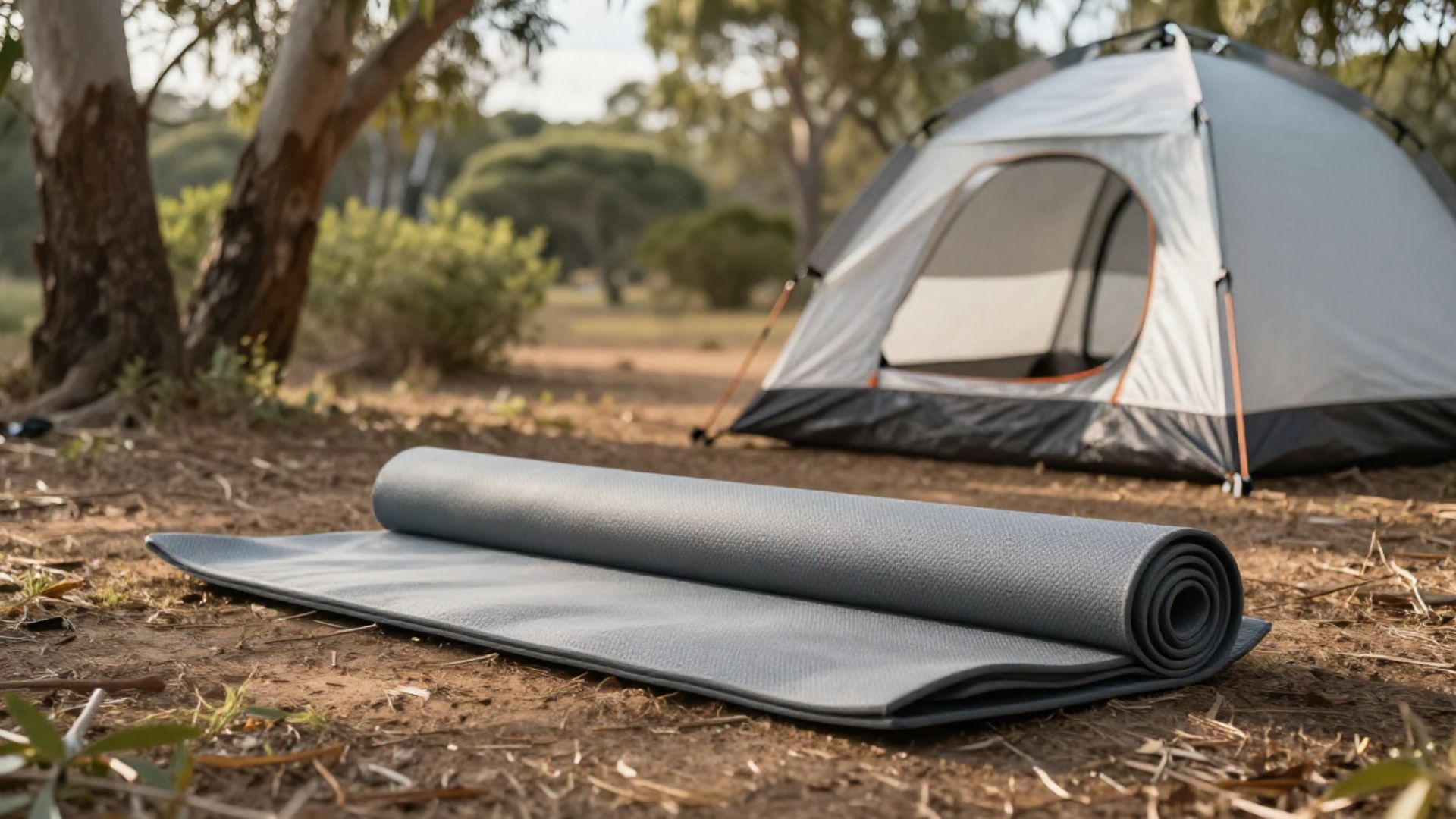
The real battle in camping is not the tent or the fire, it is keeping dirt, sand and grass out of where you sleep. You can nag everyone to take their shoes off and you will still lose, because the mess rides in on socks, on the dog, on the cooler lid. A mat wins the battle by giving you a “landing zone” at the door: shoes get scraped, sand falls through, and far less makes it inside.
Laid inside instead, the right mat adds warmth and cushioning on a cold, hard floor. A good outdoor mat drains water, sheds dirt, hoses clean, dries fast and rolls up small, and it quietly makes a patch of ground feel like a room. The trick is matching the mat to whether you want drainage, looks, or padding. Here is how to choose, and the mats worth rolling out.
Quick Picks
- Best sand-free: CGEAR Original Sand-Free Mat, a mesh that lets sand fall through and stay through.
- Best awning mat: Reversible Mats by RVguard or Camco, woven poly that drains and sweeps clean.
- Best inside warmth: ProsourceFit foam tiles, interlocking squares for a soft, insulated floor.
- Best eco all-rounder: a recycled polypropylene annex mat, UV-treated and reversible.
- Best premium: Mountain Mat, a stylish, waterproof mat built from recycled materials.

How to Choose a Camping Mat
Three styles cover almost everything, and each does one job well. A mesh mat, woven from a shade-cloth-style synthetic, lets sand and dirt fall straight through and drains water on contact, which makes it the one to have at a sandy or wet site and as a door scraper. A woven recycled-polypropylene mat is softer and more decorative, reversible for two looks, comfortable to stand on, and easy to sweep or hose, which is why it is the go-to under an awning. Interlocking foam tiles build a soft, insulated floor inside the tent and are the family and comfort pick.
Decide next whether the mat lives inside or out, because they are not interchangeable. An outdoor mat should drain and let debris pass through; an inside mat should add warmth and cushioning. Plenty of campers run both, a mesh or woven mat at the door and foam tiles inside. The one thing to avoid is a household rug outdoors: it drinks up water, gets heavy, grows mould in a day, and never really cleans, which is the myth worth binning before you pack one.
Then weigh size against bulk and look at how it is built. A big annex mat covers the whole living area but is often the bulkiest single item you carry, so check the packed roll against your space. For longevity, UV-treated or UV-stabilised poly resists fading and cracking over seasons, and corner loops with pegs stop it sailing off in a gust. Two honest cautions: some smooth mats turn slippery when wet or dusty, and many private grounds restrict large mats on grass because they can damage the lawn.
The Camping Mats
Check today’s prices on Amazon →
CGEAR Original Sand-Free Mat
The sand specialist, and the weave came out of dust-control tech for helicopter landing pads. Its patented multi-layer mesh lets sand and dust drop down through the mat but not back up, so the surface stays clean no matter how gritty the site. It is heavy-duty, drains water on contact, and does exactly what it claims, which is rare enough to note. If sand in the tent or van drives you up the wall, this is the mat that fixes it, and there is little reason to look elsewhere for a sandy pitch. check the CGEAR Original Sand-Free mat, the mesh benchmark
Reversible Mats (RVguard / Camco)
The everyday awning classic. Woven from recycled polypropylene tubes, these mats are light and waterproof, so rain drains straight through and mud hoses off, and they flip over for a second colourway when the first gets tired. They come UV-coated to resist fading, ship with corner loops and stakes to hold them in a breeze, and often add reinforced corners. Affordable and sold in a huge range of sizes and patterns, they are the “front porch” most tents and vans end up with. price up a reversible RVguard or Camco awning mat
ProsourceFit Foam Tiles
The comfort upgrade for inside the tent. These interlocking foam squares clip into a custom floor that fits your tent exactly, with around half an inch of cushioning that blocks cold seeping up from the ground and saves your knees crawling about. They turn a rocky, hard floor into a soft, padded surface that is kind to bare feet and safe for kids. They are bulky and heavier than a rolled mat, so this is the pick when inside comfort matters more than packing small. see what ProsourceFit interlocking foam tiles cost
Recycled Polypropylene Annex Mat
The eco-friendly all-rounder. Made from UV-treated recycled polypropylene, these mats are non-slip, water-resistant and reversible, and a tight breathable weave lets air reach the grass so you are less likely to kill the lawn beneath. They sweep or hose clean, dry quickly, pack into an included bag, and keep a pile of plastic out of landfill in the process. Versatile across awnings, big tents, picnics and beach days, they balance comfort, looks and conscience without a fuss. compare woven recycled-polypropylene annexe mats
Mountain Mat
The stylish premium pick. Built from recycled materials, Mountain Mat leans into the details that matter over a decade of use: durability, comfort and a waterproof, easy-clean surface that looks like part of the setup rather than a utility afterthought. It is designed to work quietly in the background, trip after trip, and it holds up. If you want a hard-wearing mat you will keep for years and do not mind paying for it, this is the one to eye. look at a plush Mountain Mat for the living space
One mistake worth avoiding: a loose mat is a sail. A gust gets under an un-pegged mat, flips it, and drags your chairs and half the grit back inside with it — so peg the corners or weight them down. And always pack a mesh or woven mat away dry; rolled up damp with sand still in the weave, it comes out of the bag smelling like a swamp and shedding grit for the rest of the trip.
Comparison
| Mat | Material | Where it shines | Packs | Watch-out |
|---|---|---|---|---|
| CGEAR Sand-Free | Mesh | Sandy, wet sites | Rolls up | Not padded underfoot |
| Reversible Mats | Woven poly | Awning and annex | Rolls up | Can slip when wet |
| ProsourceFit tiles | EVA foam | Inside the tent | Stacks of tiles | Bulky to carry |
| Recycled poly annex | Woven poly | All-round outdoors | Into a bag | Big sizes get heavy |
| Mountain Mat | Recycled | Long-term premium | Rolls up | Costs more |

Frequently Asked Questions
Mesh, woven poly or foam — which mat do I need?
Pick by the problem you have. Mesh for sand and drainage at the door, woven recycled poly for a smart, easy-clean awning floor, and interlocking foam tiles for warm cushioning inside the tent. Many campers run a mesh or woven mat outside and foam tiles inside, which covers both jobs neatly.
Will a mat kill the grass underneath it?
A tight, breathable weave lets air and light reach the grass, so a short stay usually does no harm. Leave a solid mat down for days and the lawn will yellow, though. Because of that, many private grounds restrict or ban large mats on grass, so check the site rules before you roll a big one out.
Can I just use a cheap indoor rug outside?
It is a false economy. A household rug soaks up water, gets heavy and awkward, grows mould quickly and is a pain to clean. A purpose-made outdoor mat drains, sheds dirt, hoses off and dries fast, and it will outlast three indoor rugs used the same way.
What size mat should I get?
Match it to the awning or living area you want to protect, allowing enough to cover the main walking zone. A mat that is too small just moves the dirt line closer to the door. A small step rug plus a larger mat is a flexible combination if you camp in different setups.
The Bottom Line
A mat is a small upgrade that punches above its weight: it keeps dirt and sand out, adds comfort and warmth, and makes a pitch feel like home. Choose a mesh mat for sand and drainage, a woven recycled-poly mat for a smart, easy-clean awning floor, or foam tiles for a soft, insulated tent interior. Look for UV-treated material, corner pegs and a storage bag, and leave the household rug at home. Because many grounds restrict large mats on grass and conditions vary by site, check the local rules before you lay one out.
Pair it with the rest of a comfortable camp living space: our guides to the best camping gazebos and pop-up canopies, best camping chairs, and best camp kitchen tables round out the setup.