
This page contains affiliate links. Far Cornel may earn a commission if you buy through them, at no extra cost to you.
See the top-rated gear on Amazon →
Quick answer: There is no single best jig head, only the right one for the depth, the cover and the plastic. Start with round heads in a few weights for open-water all-round work, add weedless heads for snags and weed, a football head for dragging the bottom in current, and a darter for a swimming, baitfish action. An assorted kit is the cheapest way to learn what weights you actually reach for.
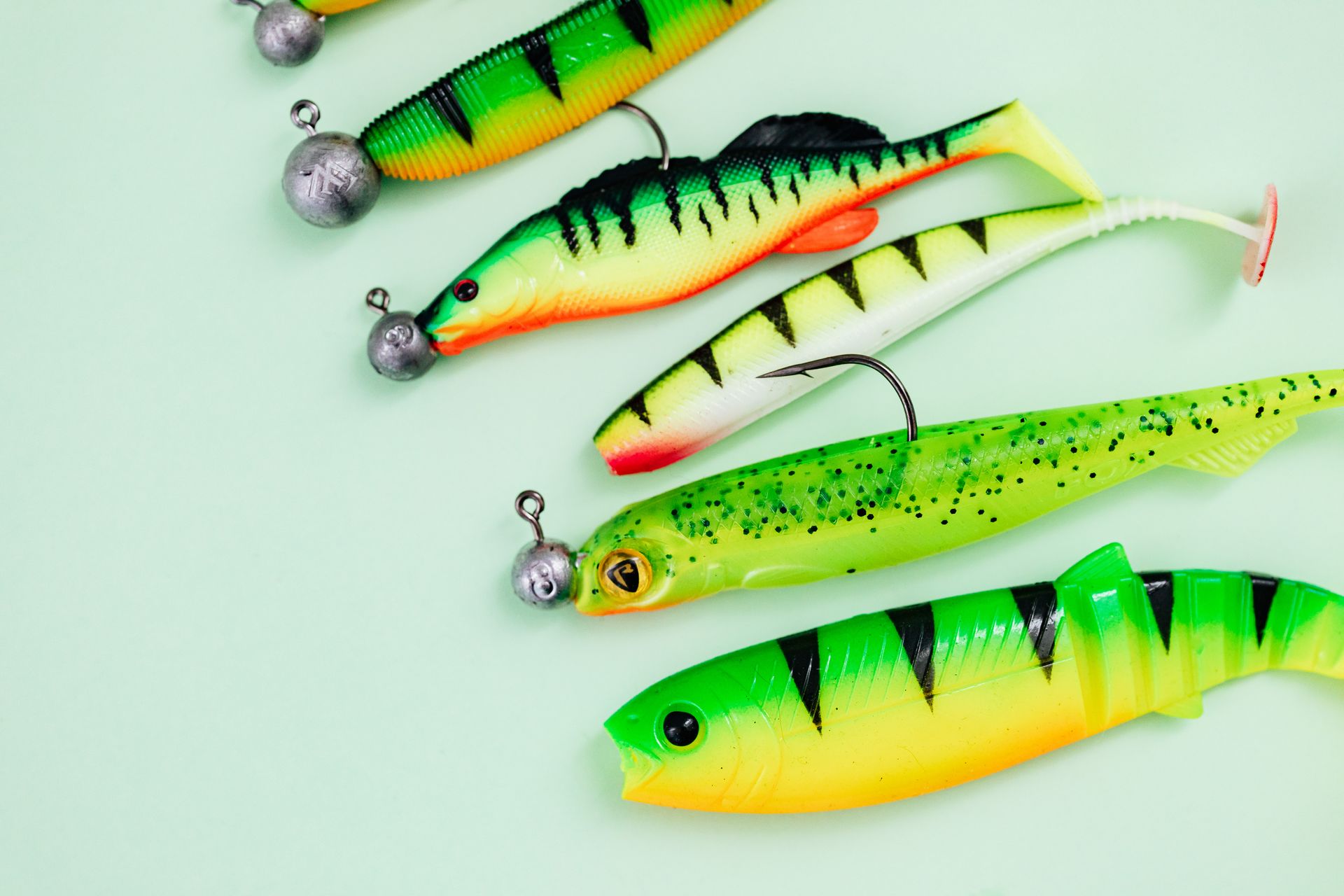
The soft plastic gets all the attention, but the jig head underneath it quietly decides how the lure sinks, swims and hooks up. A jig head is just a weighted hook, yet the weight, the hook and the shape of the lead each change how the bait behaves. The right combination lets a plain grub swim down naturally and set the hook clean; the wrong one drops the plastic like a stone, spins it on the retrieve, or throws it off the hook on the first cast. It is the cheapest part of the rig and the easiest to get wrong.
Head shape, weight and hook all come into it, and no single shape does everything. Below is how to match those to your fishing, then five options that between them cover most of what you will meet on the water.
Quick Picks
- Best all-rounder: round-head jig heads for open water.
- Best for snaggy ground: weedless jig heads.
- Best for the bottom in current: football jig heads.
- Best for a darting swim: darter or minnow-style heads.
- Best to start with: an assorted jig head kit.

How to Choose a Jig Head
Start with weight, the setting that changes the most, and resist the urge to go heavy just for casting distance. A lighter head falls slowly and looks natural, which fools wary fish in shallow or still water; a heavier head casts further, gets down faster and holds its line in current. The working rule is the lightest head that still lets you feel the bottom or hold your depth. Too heavy and the fall looks wrong and fish ignore it, which is the single most common mistake with plastics.
Then match the hook to the plastic and the fish. The gape needs to be wide enough to clear the body and still expose the point, or you will drop fish that felt hooked, and a chemically sharpened point is worth having because a jig head lives on the bottom and dulls fast. Fine wire suits finesse plastics and light line; a heavier gauge stands up to bigger fish and hard hooksets. Finally, look for a barbed collar or moulded keeper, because without one the plastic slides down the shank and tears after a few casts.
The Jig Heads
Check today’s prices on Amazon →
Round-head jig heads
The versatile default, and the first jig head most anglers should own. A simple ball of lead casts well, sinks predictably and suits swimming grubs, paddle-tails and straight retrieves in open water, giving a clean fall and good hook exposure. Brands like TT Lures and Nitro do reliable, sharp versions. The one weakness is snags: an exposed hook hangs up in weed and timber, so keep the round head for open ground and reach for a weedless option in heavy cover. Compare round-head jig heads options on Amazon.
Weedless jig heads
A weedless head hides or guards the hook point so you can fish snags, weed beds and sunken timber without hanging up every cast, which opens the exact places fish sit. The trade-off is a slightly lower hook-up rate, since the same guard that fends off weed can occasionally block a hookset. Use it where cover demands it and swap back to an exposed hook in the clear. Do not buy it as your only head, because in open water it just costs you fish. Find the right weedless jig heads on Amazon.
Football jig heads
The football shape is built for dragging the bottom. Its wide profile resists rolling, stands the hook up off the deck, and telegraphs through the rod tip whether you are on sand, gravel or rock. That makes it a specialist for bottom-bouncing plastics over broken ground for species like bream and bass. In open water or on a swimming retrieve it is less at home, so treat it as a dedicated bottom tool rather than an all-rounder you fish everywhere. See current football jig heads prices on Amazon.
Darter and minnow-style heads
A pointed darter or minnow head cuts through the water and gives a plastic a lively, darting swim on the retrieve. Paired with a minnow or jerk-style plastic it mimics a fleeing baitfish, which makes it a strong pick for casting and winding rather than working the bottom. It suits open water and mid-column fish, where its action does the work of drawing a strike, and it holds a straighter track than a round head at speed. Compare today’s darter jig heads prices on Amazon.
Assorted jig head kit
An assorted kit is the sensible starting point, bundling a spread of weights and hook sizes so you can meet changing depth and conditions without owning a full range yet. It is the fastest way to learn what you actually reach for, and a handy backup box in the tackle bag. Quality varies across a cheap kit, so once you know your favourites, top up with better individual heads that hold a sharper point. Shop assorted jig head kit choices on Amazon.
Comparison
| Head style | Action | Best water | Best for |
|---|---|---|---|
| Round head | Natural fall | Almost anywhere | Everyday all-rounder |
| Weedless | Snag-resistant fall | Weed, timber, rock | Fishing heavy structure |
| Football | Bottom rocking | Deep edges, current | Working the bottom |
| Darter or minnow | Darting swim | Open water | Imitating baitfish |
| Assorted kit | Varies | Everywhere | Learning your weights |
Frequently Asked Questions
How do I pick the right jig head weight?
Use the lightest head that still lets you feel the bottom or hold the depth you want. Go light in shallow, calm water for a slow, natural fall, and step heavier in deeper water, current or wind so you keep contact and casting distance. Adjust up or down until the lure fishes where the fish are.
What hook size should the jig head be for my plastic?
Match the hook gape to the width of your plastic so the point sits clear of the body, and the shank to its length. A hook too small buries in the plastic and misses fish; one too large looks unnatural and rigs poorly. Lay the plastic alongside the hook before you thread it on.
How do I rig a soft plastic so it swims straight?
Lay the plastic against the hook first to judge where the point should exit, then thread it straight down the centre so the body lines up with the shank. Any bend or twist makes the lure spin, which looks unnatural and puts kinks in your line over a session.
Why do my soft plastics keep tearing off?
Cheap heads without a keeper let the plastic slide down and tear after a few casts. Choose jig heads with a barbed collar or moulded keeper, seat the plastic firmly onto it, and add a dab of bait glue for tougher sessions or short-biting fish.
The Bottom Line
Start with round heads in a few weights and you can fish soft plastics almost anywhere. Add weedless heads for snaggy country, a football head for deep current and a darter for a swimming action, and you have a rig for nearly every situation. Buy the cheap assorted kit first to learn your weights, then spend on quality hooks and a proper keeper in the sizes you fish most, and let the lightest workable head do the fishing.
Match your jig heads to your soft plastic lure kit, keep your hooks and terminal tackle organised, and carry a decent set of fishing pliers to change everything over quickly.
Compare your options on Amazon →
