
This page contains affiliate links. Far Cornel may earn a commission if you buy through them, at no extra cost to you.
See the top wading boots on Amazon →
Quick answer: Choose the sole first, because it decides grip and, in some places, whether you are allowed to fish at all. Felt grips slick, mossy rock best but is banned in some areas and poor on trails; studded rubber is the safer all-round choice and walks better. Interchangeable-sole boots cover both. Size up over your waders, look for real ankle support and good drainage, and clean them between waters.
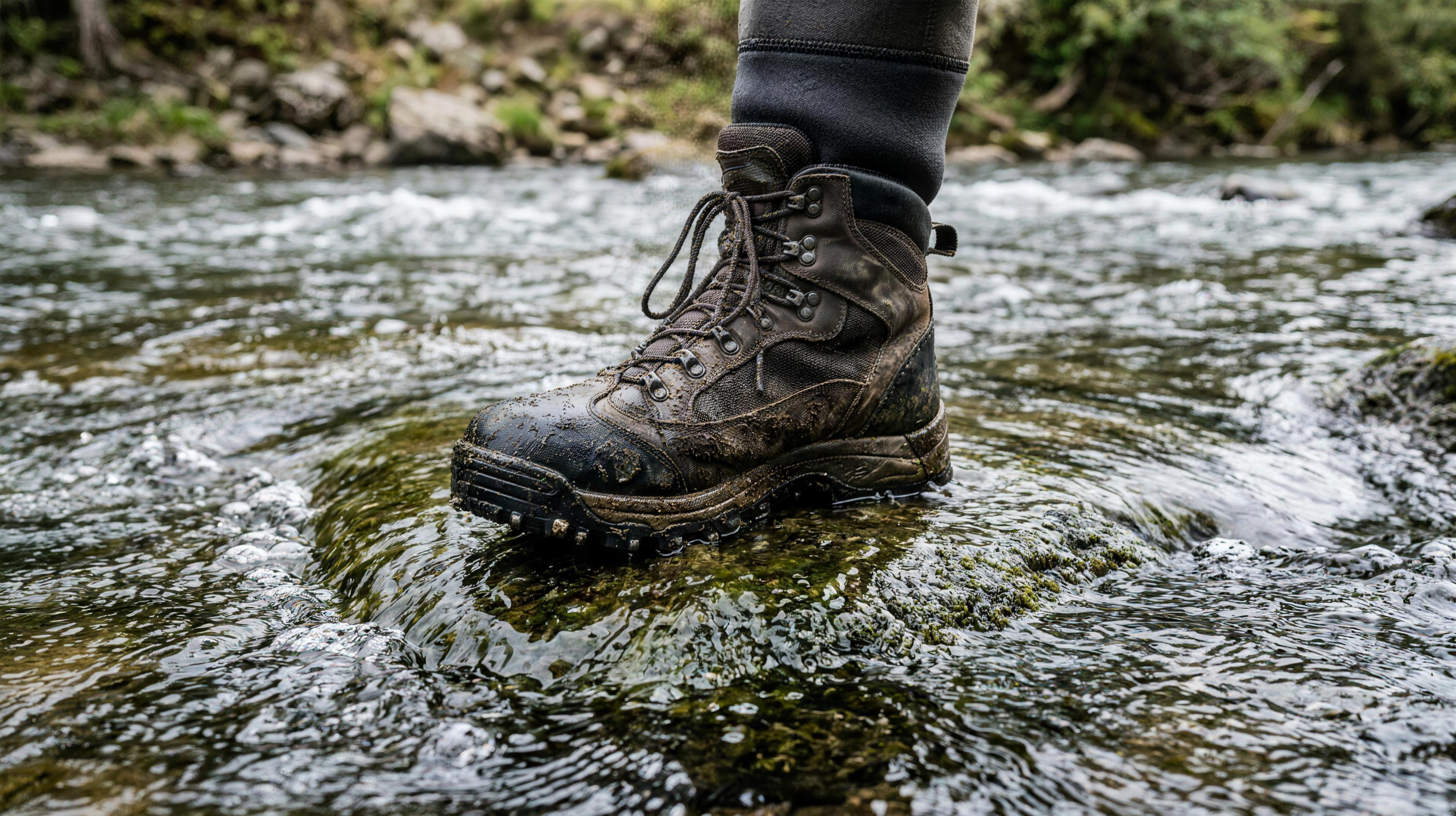
Footing is the first thing that matters when you wade, well before casting. Moving water pushes hard against your legs, the rocks underfoot are slick with algae, and a slip in a current is genuinely dangerous, not just wet and embarrassing. Wading boots are what keep you upright. Worn over the stockingfoot of your waders, they give you the grip, ankle support and protection to move confidently across ground that would put you on your back in ordinary shoes.
The boots below span the range, from a convertible-sole system to lighter, fast-draining travel models. Between them sit guide-grade all-rounders and honest value boots. Here is how they differ, and how to choose a pair for the riverbeds you actually wade.
Quick Picks
- Best overall: a durable guide boot in felt or rubber.
- Best interchangeable soles: a boot that swaps felt, rubber and studs in seconds.
- Best value: a bombproof mid-range boot for the money.
- Best for beginners: a supportive, easy-to-size boot in felt or rubber.
- Best lightweight and travel: a light, fast-draining boot for salt and flights.

What Matters in a Wading Boot
The single biggest decision is the sole, because it decides your grip and, in some places, where you are allowed to fish. Here is the myth worth correcting: felt is not simply the best grip full stop. Felt clings brilliantly to slick, algae-covered rock, but it is slippery on mud and snow, wears on the walk in, and is banned in some areas because it can carry invasive organisms between waters. Rubber walks better, lasts longer and can be studded for grip. For the best of both on slick rock, add carbide or tungsten studs to a rubber sole. Match the sole to your worst footing, not your easiest.
Wading boots go over the neoprene stockingfoot of your waders, so they run larger than street shoes; most people size up to leave room for that bulk and a warm sock without crushing their toes. Too tight and your feet go cold and numb as circulation drops; too loose and your heel lifts and blisters. Try them over the waders you actually own if you can, because stockingfoot thickness varies between brands. And do not buy felt at all if your waters ban it or you hike a long way to the water, where felt wears fast and grips poorly on the trail.
Solid ankle support is what stops a turned ankle on uneven, unseen rock, so look for a boot with real structure rather than a soft trainer. Drainage ports let water and grit flush out instead of pooling and weighing you down, which matters most on a light travel boot. A tough, quick-draining synthetic or leather upper resists the constant soaking and the abrasion of gravel, and a secure lacing system, whether laces or a dial, keeps the fit locked in. Spend on sole grip, ankle support and a hard-wearing upper; save on brand name and cosmetics. Rinse and dry them between waters, and pull interchangeable soles to wash out grit and weed.
Two habits make a wading boot last and keep you welcome on the water. Clean them between rivers: felt in particular can ferry algae and invasive pests from one system to the next, so scrub the soles, pull any interchangeable inserts, and dry the boots fully — or freeze them overnight — before you fish somewhere new. And remember a wading boot is built to drain, not to keep water out; wet feet inside are normal and stop grit pooling, so pair the boots with neoprene socks or wader booties and add a gravel guard over the top to keep stones from grinding under your foot.
The Wading Boots
Check today’s prices on Amazon →
The guide-grade all-rounder
The benchmark guide boot, built to take a beating year after year. A Simms G3 Guide has an extremely durable outsole, a rock-solid toe against impact, and a dual-density midsole that keeps feet comfortable through long, multi-day trips. It comes in felt or Vibram, and with the Vibram, studs are well worth adding, while a BOA lacing option gives quick, repeatable fit. The nubuck can shrink a little when fully dried but regains shape in the water. Expensive, but a buy-once boot for anglers who wade hard and often. See what the Simms G3 Guide boots cost now
The interchangeable-sole boot
The versatility champion. A Korkers River Ops BOA carries an interchangeable-sole system that lets you swap between felt, Vibram or studded Vibram in about 30 seconds per boot, snapping into place with a latch, invaluable if you move between waters with different felt rules. The BOA lacing gives a secure, micro-adjustable fit, and a cushioned midsole makes long treks over slick boulders comfortable. The soles can pop off in deep mud and the latch wears eventually, but for sheer adaptability nothing else matches it. Compare the Korkers River Ops BOA options
The value pick
The value boot that punches above its price. A Redington Prowler-Pro delivers much of the durability and comfort of the premium boots for noticeably less, with a supportive build, a reinforced toe and a choice of felt or sticky rubber to match your rules and riverbed. It is not as refined as a top guide boot, and the very hardest use will find its limits sooner, but as the one dependable, long-lasting boot that gets a newcomer confidently onto slick rock without a top-tier price, it is the smart buy. Check current Redington Prowler-Pro pricing
The beginner’s boot
The ideal first pair. An Orvis Clearwater is reliable, supportive and easy to size and live with, and it works well on just about any river. Being available in both felt and rubber lets you match your local rules and riverbed, a scratch-resistant rubber toe cap fends off abrasion, and the synthetic upper holds up and dries quickly. It will not have the plush comfort of a premium boot, but for beginners and anyone wanting solid, no-fuss boots at a fair price, it is a great choice. Look over the Orvis Clearwater range
The lightweight travel boot
The lightweight travel and saltwater specialist. A Simms Flyweight is built to stay light and drain fast, so it does not turn into a waterlogged anchor on a long hike or a day of wet-wading, and it packs down more kindly for travel than a heavy guide boot. Corrosion-resistant hardware helps it survive the salt that destroys ordinary boots. Anglers who travel, wet-wade or fish flats and want a boot that will not weigh them down gravitate to it. Give up some outright durability for the low weight, and for light, fast-draining use it is the standout. See the lightweight Simms Flyweight listings
Comparison
| Boot | Sole options | Support | Weight | Best ground |
|---|---|---|---|---|
| Simms G3 Guide | Felt or Vibram | High | Heavy | Serious all-round |
| Korkers River Ops BOA | Interchangeable | High | Medium | Mixed waters and rules |
| Redington Prowler-Pro | Felt or rubber | Medium-high | Medium | Value all-round |
| Orvis Clearwater | Felt or rubber | Medium | Medium | Beginners |
| Simms Flyweight | Rubber | Medium | Light | Travel, salt, wet-wading |

Frequently Asked Questions
Felt or rubber soles: which is better?
It depends on your ground and your local rules. Felt grips slick, algae-covered rock better than anything, but it is poor on mud, trails and snow, and it is banned in some areas because it can carry invasive species between waters. Rubber walks better, lasts longer and can be studded for slick rock. If felt is allowed and you wade mossy rock, it is superb; otherwise, studded rubber is the safer all-round choice.
What size wading boots should I buy?
Larger than your normal shoes, because they go over the neoprene stockingfoot of your waders. Most people size up to fit that bulk and a warm sock comfortably, without the boot being so loose that the heel lifts. The ideal is to try them over the waders you actually wear, since stockingfoot thickness differs between brands, and to leave enough room that your toes stay warm in cold water.
Do I need studs on my wading boots?
On genuinely slick rock, yes, studs make a real difference to grip and safety, and many rubber-soled boots are made to take carbide or tungsten studs. On gravel, sand or firm trails you can do without, and studs can feel skittish on hard, flat rock. Add them if you regularly wade mossy, algae-covered stone, and leave them out if your riverbeds are mostly gravel or sand.
Can I wear wading boots without waders?
Yes, for wet-wading in warm weather, but not over a bare foot. Wear them over a neoprene wading sock or bootie so the boot still fits properly and your foot is protected from grit and rubbing. If you plan to wet-wade often, size the boot for that thinner sock rather than for the thick stockingfoot of full waders.
The Bottom Line
Wading boots are safety gear as much as fishing gear, so choose them around footing first. Pick a sole for your worst riverbed, felt or studded rubber for slick rock and plain rubber for trails and travel, and check whether felt is allowed where you fish. Size them up over your waders, look for real ankle support and good drainage, and clean and dry them between waters. Get that right and you wade further, fish harder and stay on your feet.
Pair them with the rest of a wading setup: our guides to the best fishing waders, best polarised fishing sunglasses, and the best fishing landing nets round out the kit.