
This page contains affiliate links. Far Cornel may earn a commission if you buy through them, at no extra cost to you.
See the top-rated gear on Amazon →
Quick answer: If you keep a feed, a stout stainless iki jime spike used correctly is the best tool — it kills instantly and gives the firmest, longest-keeping fillets. Carry a weighted priest as the foolproof backup, add a spike-and-wire kit for prime table fish, and step up to a long heavy spike only for big models like tuna and mackerel.
How you kill a fish decides how it eats, and plenty of anglers get it backwards. They spend money on fillet knives and ice, then let the fish flap itself to death in the bottom of the boat. That slow, panicked death floods the flesh with lactic acid and softens it. A clean kill in the first ten seconds does more for the plate than careful filleting later.
The tools are cheap and the choice is small: a spike that destroys the brain, or a weighted club — a priest — that does the same with one firm knock. Here is how they differ and who each suits.
Quick Picks
- Best overall: a stout stainless iki jime spike you can find in a panic.
- Best foolproof backup: a weighted timber priest for a fast, no-anatomy knock.
- Best for eating quality: a spike-and-nerve-wire kit for prime table fish.
- Best for big fish: a long heavy-duty spike that also breaks ice.
- Best complete setup: a catch-care prep kit with spike, wire, knife and mat.

How to Choose a Dispatch Tool
Start with the fish you keep and how confident you are. A priest asks nothing but a solid swing, which suits a lively fish that will not hold still or a busy deck where you have one hand free. A spike gives the cleaner kill and the better fillet, but only if you hit the brain — a small target just above and behind the eye that shifts a little between species.
Size the tool to your biggest realistic fish. A stubby keyring spike that dispatches a bream will not reach the brain of a solid tuna, so buy the longer, stouter spike if you chase bigger models. Everything here lives in salt and blood, so a stainless spike keeps its point where a cheap one rusts blunt, a solid priest will not split, and a lanyard stops a sharp spike rolling loose. A grip you can hold with wet hands is a safety feature.
The part people skip is that the kill is only half of it. Spike or knock the fish, then bleed it within seconds by cutting the gills, and drop it into an ice slurry of roughly two parts ice to one of water. Letting a fish die slowly on dry ice does the opposite of what you want. If you are unsure of the spot, free online guides map the iki point for most species.
The Dispatch Tools
Check today’s prices on Amazon →
The stainless iki jime spike
This is the one to own first. A rigid stainless spike, driven once into the brain just behind the eye, kills a fish on the spot and leaves the flesh firm and clear. The bright-handled designs anglers rate — the IkiPik is the obvious example — are easy to spot in a messy boat, grip with cold wet hands, and slot into a rod holder so they are always to hand. Find the right iki jime spike on Amazon.
The spike-and-wire kit
Once eating quality matters, a kit that adds a nerve wire (shinkei jime) to the spike is the logical step. You spike the brain, then thread the fine wire down the spinal canal to shut off the nerves, which delays rigor and holds the fillets firmer for longer. It takes practice, but on prime fish the difference two days later in the fridge is real. Sized for mid-range table fish, it is cheap for what it teaches. See the newest spike-and-wire kit listings on Amazon.
The weighted priest
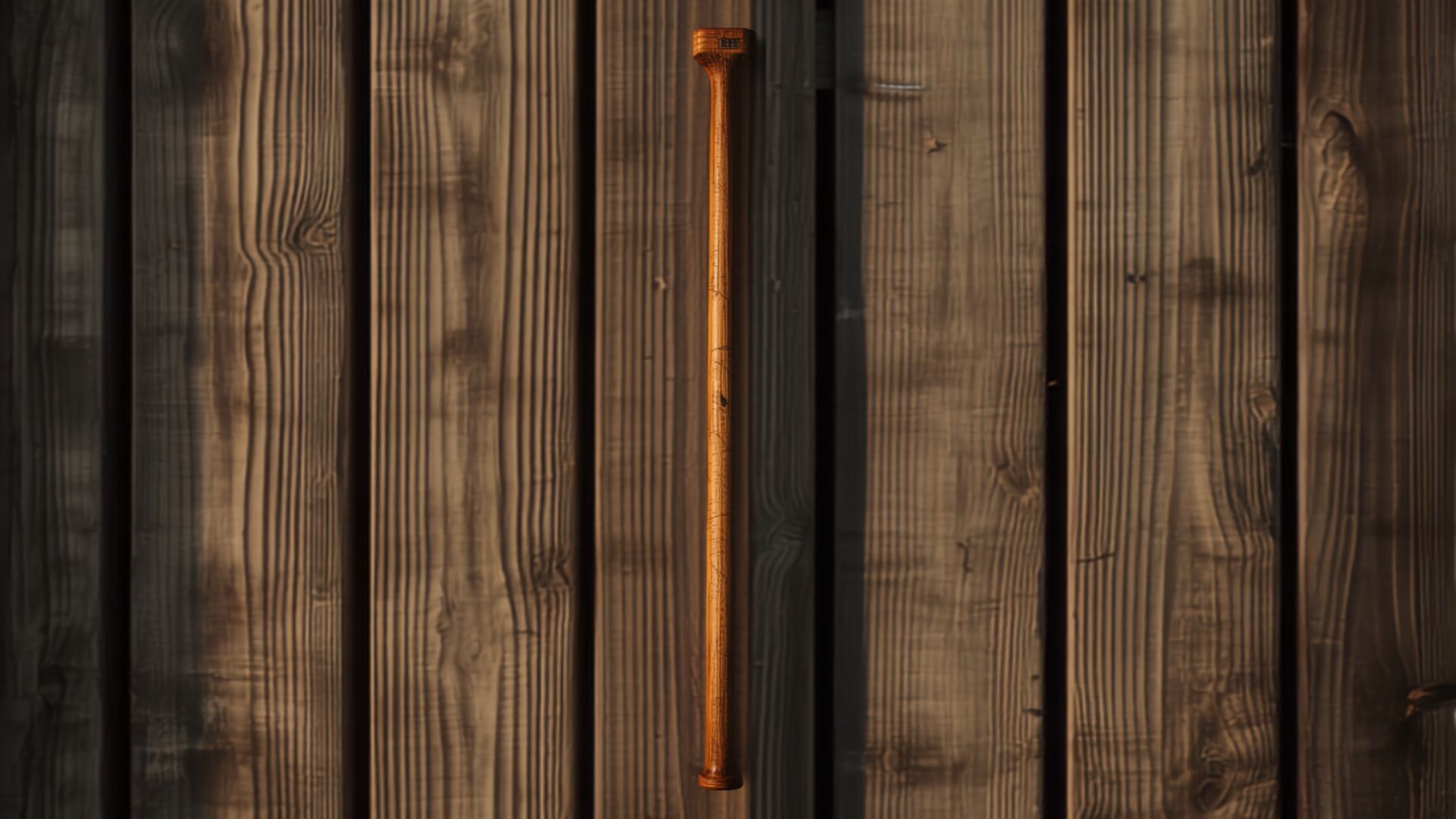
A priest is the no-nonsense option: a short, weighted club that kills with one knock just above the eyes, no anatomy to find. A dense timber donga does the job and doubles as a way to settle a big fish thrashing on deck while you get the hook out. The only thing that matters is mass — a light club needs three blows where a heavy one needs one, so skip the flimsiest on the shelf. Compare today’s fishing priest prices on Amazon.
The heavy-duty spike for big fish
Chasing bigger fish changes the spec. A short spike that dispatches a bream will glance off the skull of a solid tuna or mackerel, so you want a long, thick stainless spike with the reach to punch through. Most come with a safety cover and double as an ice pick for the slurry. Do not buy this if your fish rarely top a couple of kilos — it is more spike than you need. Browse the current heavy-duty fish spike listings on Amazon.
The complete catch-care kit
If you treat catch care seriously, a full prep kit puts every tool in one roll: a brain spike, a nerve wire, a bleeding knife and a non-slip mat. Having the knife right there matters, because fumbling for a blade wastes the seconds that count. It costs more than a bare spike and is more than a bait-fisher needs, but for sashimi-grade fillets it removes the guesswork. Compare catch-care prep kit options on Amazon.
Comparison
| Tool | Best for | How it kills | Watch-out |
|---|---|---|---|
| Iki jime spike | Best eating, all-round | Destroys the brain instantly | You must know the spot |
| Spike-and-wire kit | Prime table fish | Brain spike plus nerve wire | Takes practice to learn |
| Weighted priest | Simple, foolproof knock | One firm blow to the head | Needs real mass to work |
| Heavy-duty spike | Big fish and pelagics | Reaches a large brain | Overkill for small fish |
| Complete prep kit | Serious catch care | Spike, wire, bleed, chill | More than a bait-fisher needs |

Frequently Asked Questions
Where exactly do I put the spike?
Just above and behind the eye, angled toward the lateral line. The brain is small, so learn the spot for the species you target rather than jabbing and hoping. Done right, the fish stiffens at once, the colour fades and the eyes dull — that instant reaction tells you it was clean.
Do I really need to bleed the fish as well?
Yes. Dispatch and bleeding are two halves of one job. Straight after the spike or knock, cut or tear the gills and let the fish bleed out in cold water or an ice slurry. Blood left in the flesh taints the flavour and shortens how long the fillets keep.
Spike or priest if I am just starting out?
Start with a priest. It is more forgiving, with no anatomy to find and no point to keep covered, so it is hard to get badly wrong on a lively fish. Move to a spike once you are comfortable finding the brain, since it gives the cleaner kill and better eating.
Does a clean kill really improve the taste, or is that a myth?
It genuinely does. A stressed, slow death dumps lactic acid into the muscle and softens it, while an instant kill with prompt bleeding and chilling keeps the flesh firm, clear and longer-lasting. It is the biggest thing you control between hooking a fish and the plate.
The Bottom Line
Dispatch is the cheapest upgrade to how your catch eats, and it costs about ten seconds. Keep a weighted priest for a fast, no-fuss knock, and a stainless iki jime spike, sized to your fish and placed just behind the eye, for the cleanest kill and the best fillets. Bleed and chill immediately, choose corrosion-proof tools that stay sharp, and only ever dispatch fish you mean to keep — the rest goes back quickly and gently.
Pair it with the rest of a catch-care setup: our guides to the best fish fillet knives and boards, best fishing coolers and ice boxes, and the beginner fishing gear checklist round out the kit.