
This page contains affiliate links. Far Cornel may earn a commission if you buy through them, at no extra cost to you.
See the top-rated gear on Amazon →
Quick answer: A synthetic thermal liner like the Sea to Summit Reactor gives the biggest real warmth boost and suits most three-season trips. Choose a silk liner if you count grams or sleep hot, a value silk liner to get that cheaper, the warmest fleece-weight synthetic for cold nights, and a budget fleece liner for car camping. Just do not expect any liner to turn a summer bag into a winter one.
A sleeping bag liner is the cheapest upgrade you can make to a sleep system, and one of the most useful. Slip one inside your bag and it does three jobs: it adds a few degrees of warmth, it keeps your bag clean by taking the hit from sweat, dirt and body oils, and it puts a soft layer against your skin instead of clammy fabric. On hot nights you can sleep in just the liner. For the price of a good meal, it makes a bag warmer, cleaner and longer-lived.
The catch is the marketing. Packaging oversells the warmth, and the shape must match your bag or it bunches and fails. This guide breaks liners into five types, is honest about each, and points you at the one for your trips.
Quick Picks
- Best overall warmth: a synthetic thermal liner for a genuine three-season boost.
- Best ultralight: a silk liner that packs to almost nothing.
- Best value silk: an affordable silk liner with the same comfort.
- Best for cold nights: the warmest fleece-weight synthetic liner.
- Best budget for car camping: a cosy fleece liner that zips to a partner’s.

How to Choose a Sleeping Bag Liner
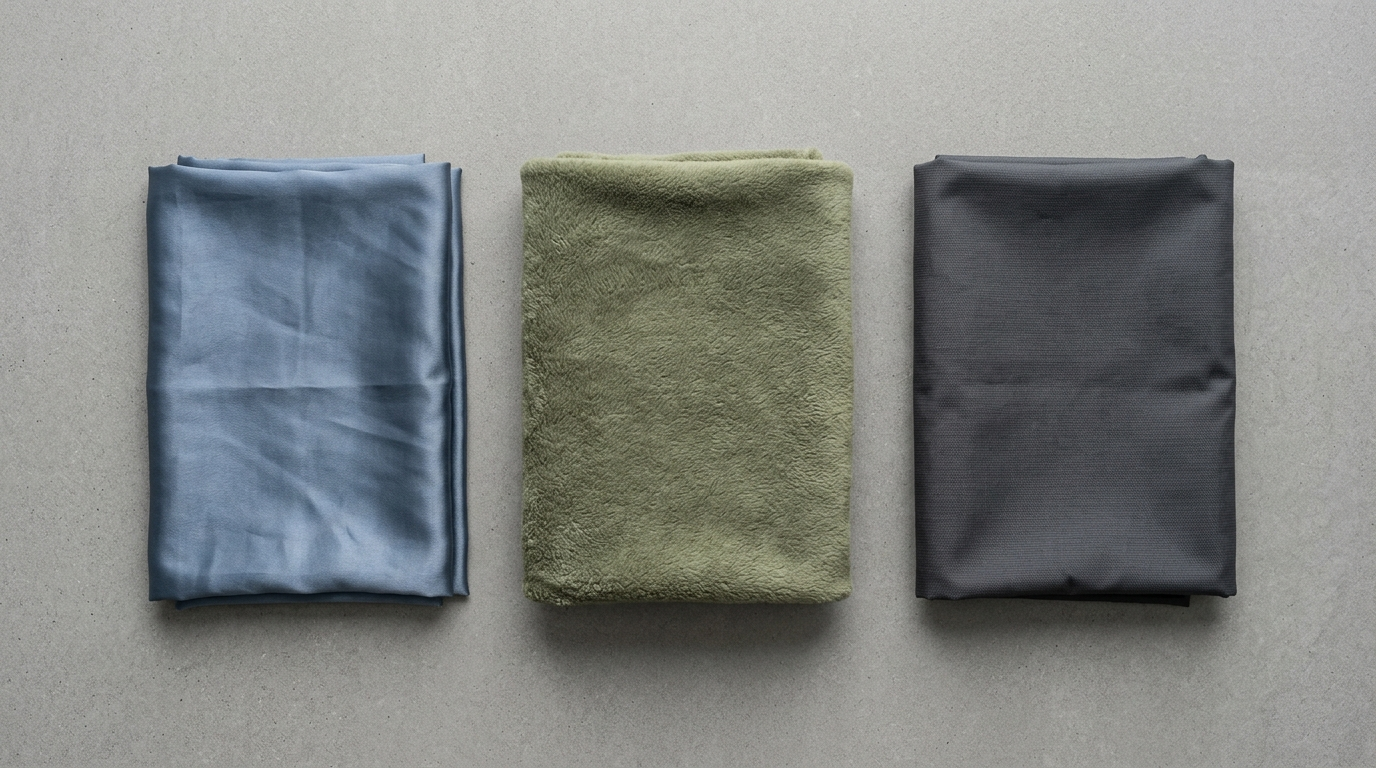
Material is the main choice. Silk is the lightest and most packable, breathable and lovely on the skin, but it adds only a few degrees and needs gentle washing because it tears easily, so it suits hot weather and ultralight trips. Synthetic liners in Thermolite or CoolMax balance warmth and weight, wick and dry fast, and claim the biggest boost, the three-season all-rounder. Fleece is the warmest and softest but heaviest and bulkiest, best for car camping. Cotton is cheap and comfy but heavy and slow to dry, fine in the car and poor on your back.
Be realistic about the warmth, because this is where liners are oversold. A liner nudges your comfort temperature a few degrees; it does not turn a summer bag into a winter one. Silk adds maybe a couple of degrees, synthetics a little more, and the warmest fleece-weight knits the most, but the result depends on your bag, your sleep clothes and your metabolism. Treat any bold “adds 14 degrees” number on the packet with suspicion, because a liner nudges, it does not rescue.
Then match the shape to your bag and check the length. A mummy liner fits snugly inside a mummy bag and traps heat with no bunching, while a rectangular liner balls up and loses warmth inside a mummy. Too short and the hood pulls off; too long and it folds cold at your feet, so tall campers should size up. Handy extras include a hood drawstring, a pillow sleeve, and the option to zip two liners together for couples.
One honest caveat on the warmth numbers: when a liner claims it adds “up to 8°C”, read that as a best-case lab figure, not a promise. In practice a good liner buys you a few genuine degrees, and only when the rest of your setup is already close — warmth is a system, not a single layer. Stack the cheap wins first: a dry base layer and a beanie do more than any liner, and no liner can fix cold radiating up from the ground, so the R-value of the mat under you matters as much as anything you slip inside the bag. Add a liner to a sound sleep system and it earns its keep; add it to a summer bag on a thin mat in real cold and you will still shiver.
The Sleeping Bag Liners
Check today’s prices on Amazon →
Synthetic thermal liner
The benchmark, and the one most worth owning for real warmth. A Thermolite liner like the Sea to Summit Reactor delivers a genuine, useful boost of several degrees, while staying reasonably light and quick to dry. It comes in a range of warmths, from midweight to fleece-weight for cold nights, and is backed by a long guarantee. The mummy cut means less room to move, but for a do-everything thermal liner it is the standard others are measured against. Compare synthetic thermal liner options on Amazon.
Ultralight silk liner
The featherweight for gram-counters. A silk liner such as the Western Mountaineering Tioga packs down to almost nothing, feels superb against the skin, and does exactly what silk should: keeps the bag clean, adds a small comfort buffer, and works as a sheet on hot nights. Silk is fragile and wants gentle care, so treat it as a multi-season luxury, not a rough-handling workhorse. For the lightest, most packable sleep layer, it is the premium pick. See how the ultralight silk liner options stack up on Amazon.
Value silk liner
The affordable way into silk. A liner like the Lifeventure Silk gives the lightweight, breathable, skin-friendly benefits of silk at a friendlier price, packing down small and regulating temperature well. Some versions add a pillow sleeve or a hidden pocket, and it comes in mummy and rectangular shapes to match your bag. If you want silk’s comfort and packability without the premium sting, it is an easy recommendation. Compare today’s value silk liner prices on Amazon.
Warmest fleece-weight synthetic
The cold-night specialist. The heaviest-insulating synthetic liners, like the fleece-weight version of the Reactor, add the most warmth of the synthetics, which is what you want when nights drop toward freezing. They stay moisture-wicking and quick-drying despite the extra warmth, and let a three-season bag stretch into colder trips. They are not the lightest, but for cold sleepers they deliver. Run your eye over the warmest fleece-weight liner range on Amazon.
Budget fleece liner
The cosy, cheap pick for car camping. A polar-fleece liner like the REDCAMP feels genuinely warm and soft against the skin, with a noticeable boost on chilly nights, and two zip together for couples. At around a kilogram it is heavy and bulky, ruled out for backpacking, but for vehicle-based camping where comfort beats pack size it is a warm, affordable choice. Buy it for the tent you drive to, not the one you carry. Shop budget fleece liner choices on Amazon.
Comparison
| Liner type | Material | Warmth boost | Packed size | Best for |
|---|---|---|---|---|
| Synthetic thermal | Thermolite | Real, several degrees | Small | Three-season all-round |
| Ultralight silk | Silk | A couple of degrees | Tiny | Hot nights, grams |
| Value silk | Silk | A couple of degrees | Tiny | Silk on a budget |
| Fleece-weight synthetic | Synthetic | Most of the synthetics | Medium | Cold nights |
| Budget fleece | Fleece | Warm but bulky | Large | Car camping |

Frequently Asked Questions
How much warmth does a liner really add?
A few degrees, not a transformation. Silk adds the least, synthetics a bit more, and the warmest fleece-weight liners the most, but the exact figure depends on your bag, your clothes and your body. If a packet promises to add 14 degrees on its own, treat that as marketing.
Silk, synthetic or fleece?
Silk is light and packable, ideal for hot nights and ultralight trips. Synthetic gives the best all-round warmth boost for three-season camping and dries quickly. Fleece is warmest and softest but too heavy and bulky for the pack, so it belongs to car camping. Cotton is cheap and comfy but heavy, best left at a drive-in site.
Does the shape really matter?
Yes, more than people expect. A rectangular liner bunches up and loses warmth inside a mummy bag, while a mummy liner traps heat neatly. Match mummy to mummy and rectangular to rectangular, and get the right length so the hood sits right and the foot does not fold cold.
Can I just sleep in the liner alone?
On a hot night, absolutely. A silk or light synthetic liner works as a cool, breathable sheet on its own, which is why they are popular for warm trips and for keeping a hut bunk or hired bag clean. When it cools, slip it back inside your bag where it belongs.
The Bottom Line
A liner is the cheapest way to make a sleeping bag warmer, cleaner and longer-lived. Match the material to the trip: silk for ultralight and warm use, synthetic for a real all-round boost, fleece for cosy car camping. Match the shape to your bag, get the right length, and keep your expectations honest, because a liner nudges your comfort range rather than replacing a proper cold bag. Wash it gently and it protects your investment for years.
Pair it with the rest of a good sleep system: our guides to the best sleeping bags for camping, best self-inflating sleeping mats, and best camping pillows complete the setup.