
This page contains affiliate links. Far Cornel may earn a commission if you buy through them, at no extra cost to you.
See the top-rated gear on Amazon →
Quick answer: The most versatile hard-body is a shallow-diving minnow — it tempts a huge range of species and works almost anywhere. Reach for a deep-diving crankbait when fish hold deep, a surface popper or stickbait when they feed up top, and a lipless vibe when you need long casts to search open water fast. Match the running depth first and worry about colour last.
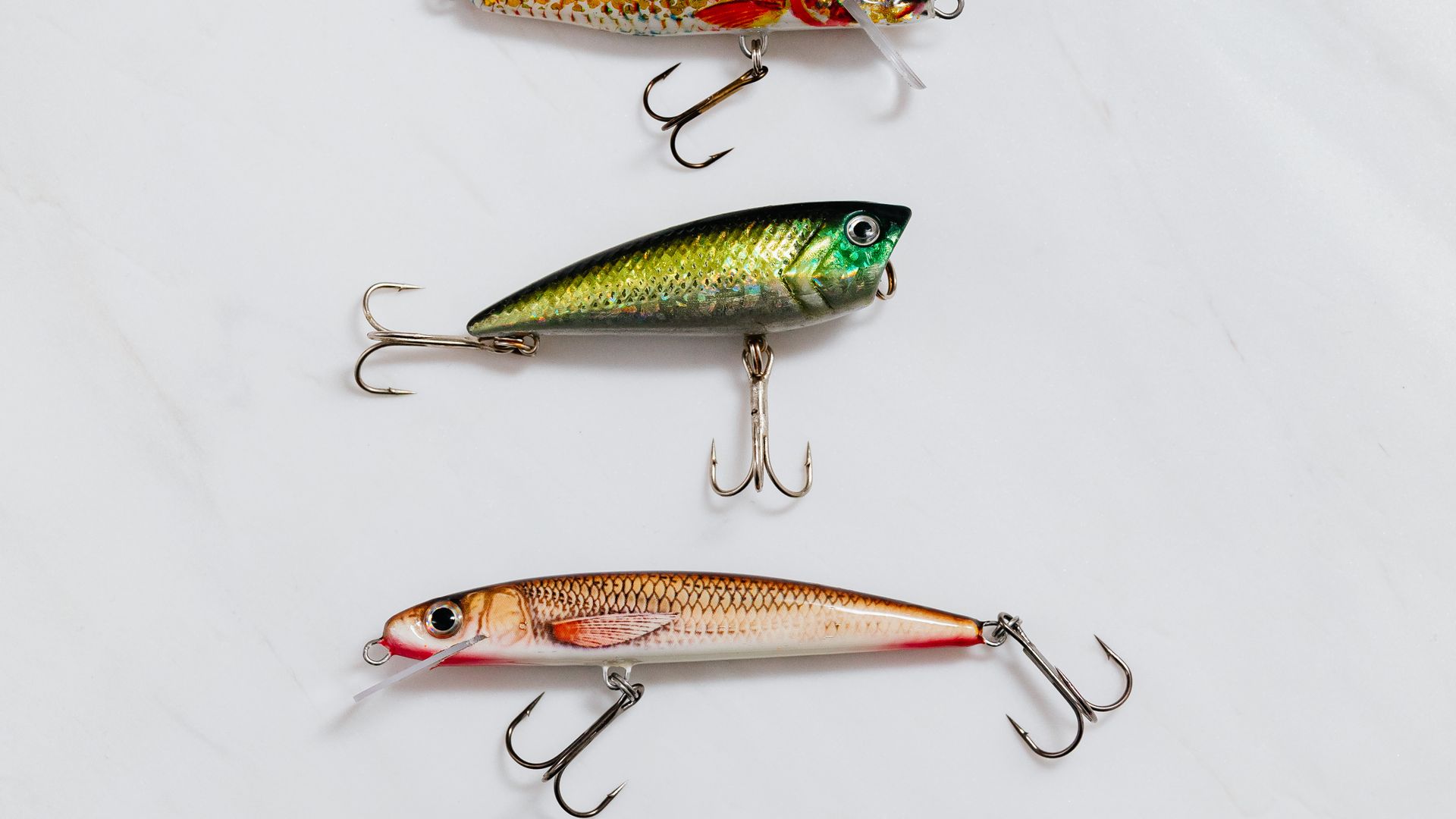
Hard-body lures are the ones that turn heads in the tackle shop: brightly painted, treble-hooked and built to swim, dive or splash like a fleeing baitfish. They cast well, cover water quickly and trigger reaction strikes that soft plastics sometimes cannot. But the wall of colours hides a simple truth — a hard-body’s bib and profile decide how deep it runs and how it moves, and that matters far more than the paint job.
Sort the field by what each design actually does and you can carry a small handful of lures that cover the surface, the mid-water and the bottom, instead of a tackle tray you never fully use. Here is how to match shape to depth, then five types worth owning.
Quick Picks
- Best all-round: a shallow-diving minnow or jerkbait.
- Best for deep fish: a deep-diving crankbait.
- Best topwater excitement: a surface popper.
- Best finesse surface lure: a stickbait or pencil.
- Best for searching water: a lipless vibe.

How to Choose a Hard-Body Lure
Match the lure to the depth where fish are holding, because that beats colour every time. The bib on the front sets the diving range: a short or absent bib keeps it shallow, a long bib drives it deep. Pick a lure that runs in the zone you want to fish, then think about action — a tight wiggle suits clear water and wary fish, while a wide roll and rattles call fish in when the water is dirty.
Size and hooks come next. Small profiles tempt more species but hook fewer big fish, while larger lures cut out the tiddlers and target better models, so do not throw a tiny minnow and expect a metre of barramundi. Sharp, strong trebles matter, and many anglers swap tired factory hooks and split rings for quality replacements from the likes of Owner or Decoy on the lures they trust. Colour comes last: natural tones for clear water, bright or dark patterns for murky water or low light.
Two things decide whether a hard-body earns its keep, and neither is colour. First, running depth: the bib sets the ballpark, but your line does the fine-tuning — thin braid lets a lure dig deeper, thick mono holds it shallower, and a longer cast with a slower wind runs it deeper than a short fast one. Match the lure’s depth to where the fish are holding and you are halfway there. Second, tune it: pull a new hard-body alongside the boat and watch it swim — if it tracks off to one side, gently bend the tow-point eye a fraction the other way until it runs dead straight. A lure that swims true gets eaten; one that lists to one side gets followed and refused. And on a lure you rate, swap the cheap factory trebles and split rings before a good fish does it for you.
The Lures
Check today’s prices on Amazon →
The shallow-diving minnow or jerkbait
The shallow minnow is the lure to own if you only own one. Its slim baitfish profile and gentle wobble tempt everything from bream and bass to flathead and barramundi, and it runs in the top metre or two where a lot of fish feed. Cast and wind it slowly, or twitch and pause it as a jerkbait to imitate a wounded baitfish. A Rapala or Daiwa minnow is versatile, forgiving and effective, and earns its spot in any box. Compare the shallow minnows and jerkbaits.
The deep-diving crankbait
When fish sit deep, a long-bibbed crankbait gets down to them and stays there. The extended bib drives the lure well below the surface on the retrieve and gives it a strong, rolling action that shows up in coloured water. These are the tool for probing drop-offs, ledges and channels a shallow runner just skims over. Wind steadily, or bump the bib along the bottom to kick up a reaction strike. Look at the deep-diving crankbaits for fish holding down.
The surface popper
Few things in fishing beat a surface strike, and a popper is built to draw them. Its cupped face throws a splash and a bloop when you twitch the rod, imitating prey struggling on top. Poppers, like a Halco Roosta, shine early and late and over shallow structure, where the commotion pulls fish up from below. They take a little rhythm to work well, but the explosive takes are worth the practice. Price up a surface popper for top-water fun.
The stickbait or pencil
A stickbait, or pencil, is a slim surface lure with no bib that you bring to life with the rod tip. Worked with a steady walk-the-dog rhythm, it slides side to side across the top like a fleeing baitfish, a subtler presentation than a popper that can tempt wary fish in calm conditions. It rewards an angler who learns the cadence, and it casts a long way into a headwind. See what the walk-the-dog stickbaits cost.
The lipless vibe
A lipless vibe, or blade, sinks on a tight shimmy and casts like a bullet, which makes it the ideal lure for searching open water fast. Count it down to the depth you want, then wind, hop or roll it back; the tight vibration and internal rattles do the work. Because it has no bib to set its depth, you control the running zone by how long you let it sink, giving one lure a wide range. Grab a lipless vibe for long casts and searching.
Comparison
| Lure type | Running zone | Best for | Action |
|---|---|---|---|
| Shallow minnow / jerkbait | Top 1-2 metres | All-round, many species | Wobble or twitch |
| Deep-diving crankbait | Deep | Drop-offs and channels | Strong roll |
| Surface popper | Surface | Topwater strikes | Splash and bloop |
| Stickbait / pencil | Surface | Finesse topwater | Walk-the-dog |
| Lipless vibe | Any, by sink time | Searching open water | Tight shimmy |
Frequently Asked Questions
How many hard-body lures do I really need?
Start with three: a shallow minnow, a deep crankbait and a surface lure. That covers the top, the mid-water and the bottom, and you can add colours and sizes once you see what the fish want on the day rather than guessing at the shop.
How does the bib change the way a lure runs?
The bib is the plastic lip at the nose. A short bib keeps the lure shallow with a tight action, while a longer bib forces it deeper and gives a wider wobble. Bib angle and size are the main things that set diving depth, far more than colour.
Should I upgrade the hooks and rings?
On lures you fish hard for bigger species, yes. Factory trebles and split rings vary in quality, and swapping tired ones for sharp, strong replacements prevents pulled hooks and straightened rings on the fish you least want to lose.
What colours should a beginner buy?
Keep it simple. Natural baitfish tones for clear water and one bright or dark high-contrast pattern for murky water or low light will handle most situations. Buy the depth range you are missing before you buy another colour.
The Bottom Line
Choose hard-bodies by the water they cover, not the colours in the packet. A shallow minnow is the one to start with, a deep crankbait and a surface lure round out the set, and a lipless vibe adds range when you need to search. Buy a few quality lures that swim well, keep the hooks sharp, and you will out-fish a box full of bargain lures every time.
To round out your kit, see our guides to the best soft-plastic lure kits, the best fishing tackle boxes, and the best fishing pliers and tool kits.
Compare your options on Amazon →
