
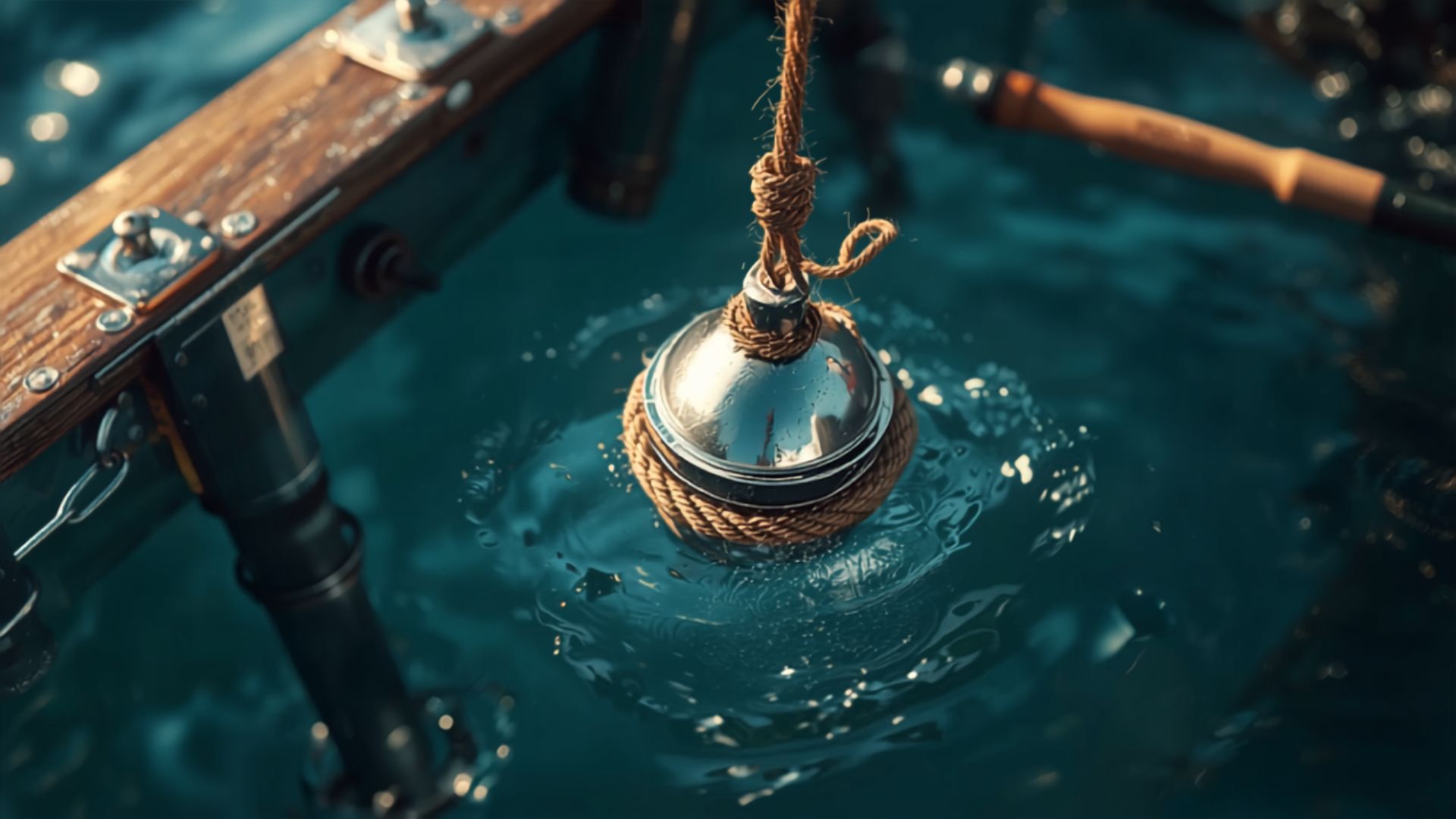
This page contains affiliate links. Far Cornel may earn a commission if you buy through them, at no extra cost to you.
See the top-rated gear on Amazon →
Quick answer: For boat anglers, a tough weighted pot like the Seadog Berley Pot is the safe all-rounder. Drop to the Tacspo for a cheap everyday pot, step up to the Wilson Weighted Bucket to grind bait and hold in tide, run the Wobbly Pot to work the bottom in current, and reach for the Secret Weapon Bomb when you need scent placed at an exact depth. Match the dispenser to your depth and current, and go easy on the load.
A steady stream of scent is the difference between a spot that looks fishy and one that actually produces. Berley pulls fish in from well outside casting range and, better still, switches them into a feeding mood so they hold around your baits instead of cruising past. The hard part is control: throw it by hand and you either dump too much and fill the fish up, or the trail breaks and they wander off.
A berley pot or dispenser does that metering for you — a controlled release, at a depth you set, without touching it again for an hour. The five below span the range, from a weighted pot you clip over the side to a release bomb that carries scent to the bottom in a running tide. Here is how they differ and how to match one to the way you fish.
Quick Picks
- Best all-round: Seadog Berley Pot — tough, simple and proven off the transom.
- Best for deep water: Wobbly Pot Berley Dispenser — works the bottom in current.
- Best weighted bucket: Wilson Weighted Berley Bucket — grinds bait and holds down.
- Best drop-and-release: Secret Weapon Berley Bomb — scent at any depth.
- Best budget: Tacspo Berley Pot — a no-fuss screw-top that disperses well.

How to Choose a Berley Pot
One rule sorts most of this: match the dispenser to the depth and current you fish, not to the species you’re after. A rigid pot or bucket is the all-rounder for boat work — fill it, clip it over the side, and it feeds through fixed holes at a predictable rate. A mesh bag is the cheapest option and washes fine particles out quickly, but it gives you no depth control and wears through inside a season. A berley bomb is a weighted unit you send down the line and trigger at a chosen depth, and it is the only dependable way to hold a trail together when current would otherwise shred a surface slick.
Weight decides whether the trail stays where the fish are. In slack water a light pot sits fine, but as tide and depth build you need mass to stop it planing up away from the bottom, so lean heavier than feels necessary. Hole size decides the release: large vents throw a fast, short burst to fire fish up in a hurry, while small holes drip a slow trail that lasts for hours. Match the mix to the holes, since chunky pellets need big openings and fine mush glues small ones shut. And here is the mistake nearly everyone makes — using too much. A heavy, constant dump feeds the fish to full and kills the bite, while a thin, steady trail keeps them hunting for the source, which is your hook.
Rigging is where people actually lose pots. Thin rope chafes through on reef and bottom structure, and a single cable tie holding the cage will eventually let go, so look for sturdy rope or a short length of stainless cable at the business end and double up any ties. Spend on a solid weighted base, corrosion-proof clips and a strong lanyard, because a pot that seizes with rust or drops off its cord is money wasted. Save on gimmicks — oversized capacity you’ll never fill, and fiddly multi-part designs that clog and are a chore to rinse.
The Berley Pots
Check today’s prices on Amazon →
Seadog Berley Pot
The pot a lot of anglers reach for first, and for good reason. A durable plastic body with good flow, it is built to hang off the transom or the anchor rope so the boat’s movement helps work the berley out, and it handles pellets, pilchards or fish scraps without fuss season after season. It won’t grind bait or sink deep like the specialist units, but as one reliable do-everything pot it is the safe pick for boat work. See current Seadog Berley Pot prices on Amazon
Wobbly Pot Berley Dispenser
When you need the trail down deep with the current running, the Wobbly Pot earns its following. It is made to be lowered on a rope to the depth you want, dispersing frozen berley or scraps near the bottom where the fish are holding rather than up in the surface drift, and downrigger users often clip one on to keep it vertical. Double-tie the net to the frame — that is the one weak point. For bottom fishing in current, it is hard to beat. Compare Wobbly Pot Berley Dispenser on Amazon
Wilson Weighted Berley Bucket
The heavy-hitter for serious trail-making. The weighted base holds it down against tide, and the built-in muncher grinds pellets, pilchards or fish frames into a fine, fast-attracting scrap on the spot — so you turn unwanted bait into berley while you fish. It puts out a strong, consistent trail. It is heavier and bulkier than a simple pot, which is the price of holding position, so skip it if you only berley occasionally in calm water. For anglers who berley hard and often, it is the workhorse. Check the latest Wilson Weighted Berley Bucket on Amazon
Secret Weapon Berley Bomb
The precision tool of the group. Rather than hanging off the side, this streamlined weighted unit deploys berley at any depth on a rod or handline, then releases it exactly where you want it, and the adjustable weight lets you tune it to the conditions. It shines for shore anglers getting berley out past the wash and for boat anglers working a precise depth in strong current. Best when placement matters more than sheer volume. Browse Secret Weapon Berley Bomb on Amazon
Tacspo Berley Pot
The value pick that still does the job. A straightforward screw-top pot designed for good dispersion, made from strong plastic that stands up to regular use. It won’t grind bait like a muncher bucket or sink like a weighted bomb, but for steady everyday berleying off the boat it delivers a reliable trail without denting the wallet. A great first pot, or a cheap backup to keep in the kit. Shop Tacspo Berley Pot on Amazon
Comparison
| Dispenser | Type | Best conditions | Watch-out |
|---|---|---|---|
| Seadog Berley Pot | Rigid pot | General boat work | No bait grinding |
| Wobbly Pot | Lowered pot | Deep water, current | Double-tie the net |
| Wilson Weighted Bucket | Weighted bucket + muncher | Strong tide | Heavy and bulky |
| Secret Weapon Bomb | Drop-and-release | Precise depth | Lower capacity |
| Tacspo Berley Pot | Rigid pot | Everyday calm water | Basic, no frills |
Frequently Asked Questions
What should I put in a berley pot?
Oily fish is the saltwater standard — minced pilchard, tuna or mullet, often bound with bread, pollard or a splash of tuna oil so it holds together and feeds at a steady rate. Ready-made pellets are cleaner to handle and release slowly, which suits a long session. Whatever you use, match the particle size to the hole size so it trails out rather than clogging or emptying all at once.
How deep should I set the pot?
Put the scent at or just above the depth the fish are holding, which is usually close to the bottom. In shallow, calm water a pot hung under the boat is plenty; in deeper water or a run of tide, use a weighted pot or a bomb so the trail forms down where the fish are instead of washing away near the surface where it does nothing.
How much berley should I actually use?
Less than you think. The goal is to keep fish interested and hunting, not to feed them, so a thin, steady trail beats a heavy dump every time. Pile it in and you fill the fish and kill the bite; meter it out slowly and they keep searching for the source, which puts them right on your baits. When in doubt, use less and let it work.
Is a berley pot better than a mesh bag?
For shallow, low-current fishing a mesh bag is cheap and does the job. A pot earns its place the moment depth or tide enters the picture, because you can weight it, control the release rate, and reuse it for years without it wearing through. Fish varied ground and a rigid pot is the more versatile buy; fish one quiet spot and a bag may be all you need.
The Bottom Line
A berley pot is one of the cheapest changes that genuinely lifts a catch rate, because it does the constant scent-trailing while you get on with fishing. Match the type to your water: a rigid weighted pot for general boat work, a mesh bag for shallow slow ground, and a release bomb when you need scent held on the bottom in current. Get the weight and hole size right, go easy on the load, and a quiet patch of water starts holding fish.
Pair it with the rest of a setup that works: our guides to the best crab pots and traps, best fishing rod holders, and the beginner fishing gear checklist will help you build the rest of the kit around it.
Compare your options on Amazon →
